
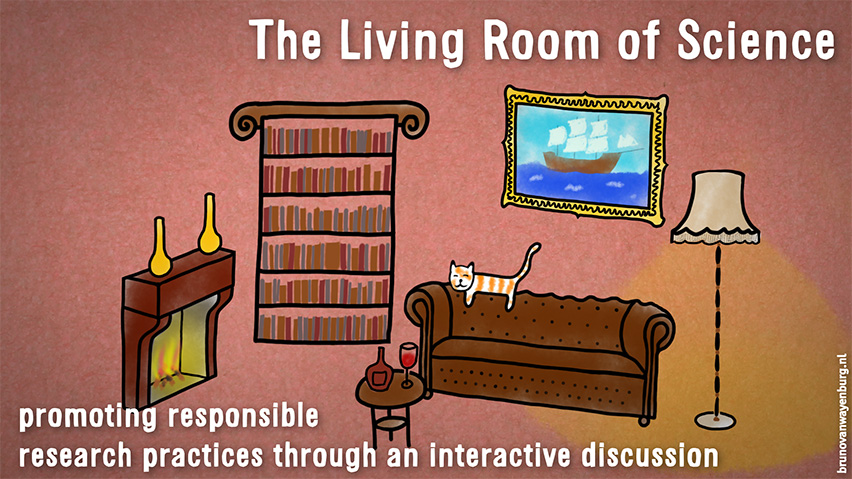

Science is a dynamic process with continuously developing, often implicit rules and attitudes. Proclamations such as “this is how we always do it”, “get used to it”, or “this is what it takes to grow in academia” occur more frequently than they ideally should.
Read More
The contemporary debate about appropriate scientific practices is fierce, lively and has amplified to non-academic domains. Hence, the debate is not solely driven by objective information anymore, but rather it is charged with emotions. How we conduct ourselves and (equally important) how we inform and educate young scientists will therefore not only be essential to sound scientific progress, but also to how science is seen and valued by the public at large.
In this project “Living Room of Science”, I have collected all my attempts and initiatives to improve science as a whole. Below you can find all scientific output related to these initiatives. Also, I have presented several times on this topic.
Sub-Projects
Ongoing
Replication
The call for replication studies is stronger than ever before. Particularly since the replication crisis has struck the field of Psychology (Open Science Collaboration, 2012, 2015), producing replications are considered a more urgent project. With Marielle Zondervan and Herbert Hoijtink, we are working on Bayesian tools to directly test for a replication effect. Together with Lars Tummers, Stephan Grimmelickhuijsen and Sonja Winter, I am applying such methods to data on questionable research practices among PhD-students and how deans think about this. Papers on these topics will be published on this website, as soon as they have been accepted for publication.
Promoting responsible research practices through discussion
One of the difficulties of implementing responsible research practices, is that rules and traditions on such practices differ between individual scholars and research disciplines. Most of the rules that do exist are subjective and in fact ‘unwritten’ rules that make them difficult to grasp for early career scientists.
We propose to organize an online platform for sharing knowledge on responsible research practices. This platform will encourage early career scientists to choose their own path with less dependency on their discipline-specific rules and habits: no longer excuses like “this is simply how we always do it”. Knowledge about appropriate research practices will increase amongst participants through the interaction with scientists and forming informed opinions by collecting views from various disciplines.
This platform will result in a helicopter view on the scientific field as a whole. The expressed views will lead to concrete guidelines on how to improve sub-optimal research practices. This platform will also lead to insight in the differences between distinct disciplines: are the currently heard proclamations on specific practices necessary or the result of habits that we need to get rid of.
This knowledge will be made available to the general public and therefore create awareness for a science that is striving to improve itself. The online platform will show an active community of young scholars who are willing to listen to other disciplines and work on improving the academic mores. The established recommended practices will eventually be published in a book. To raise awareness for our website, we received funding from an internal Young Academy project proposal which makes it possible to create a real-life living room (i.e. chesterfield couch, floor lamp, carpet and ipads/LCD screens) and use it as a stand at various relevant conferences and public scientific gatherings.
This project is part of the ‘freshman project’ of the 2016-class of the Young Dutch Academy of Sciences, part of the Royal Dutch Academy of Sciences (KNAW).
Completed
Naively applying Bayesian methods
Bayesian statistical methods are slowly wriggling into all fields of science. More specifically, they becoming popular in applied research (Van de Schoot et al, 2016).
Although it is very attractive to use Bayesian statistics, my personal experience has led me to believe that naively applying Bayesian methods can be dangerous for at least three main reasons: (1) the potential influence of priors, (2) misinterpretation of Bayesian features and results, and (3) improper reporting of Bayesian results. To deal with these three points of potential misjudgments, together with Sarah Depaoli, I have developed the succinct WAMBS-checklist: the “When to worry and how to Avoid the Misuse of Bayesian Statistics”-checklist.
The purpose of the questionnaire is to describe 10 main points that should be thoroughly checked when applying Bayesian analysis. Also, the use of Bayes Factors can lead to instrumental optimization of Bayes factors (i.e., “BF-hacking”) similar to the phenomenon of p-hacking in traditional NHST, especially when dichotomous cut-off values for evidentiary power (and thus “publishability”) are set. In line with the famous quote of Rosnow and Rosenthal (1989, p. 1277), we argue that “God would love a Bayes Factor of 3.01 nearly as much as a BF of 2.99”.
Student motives
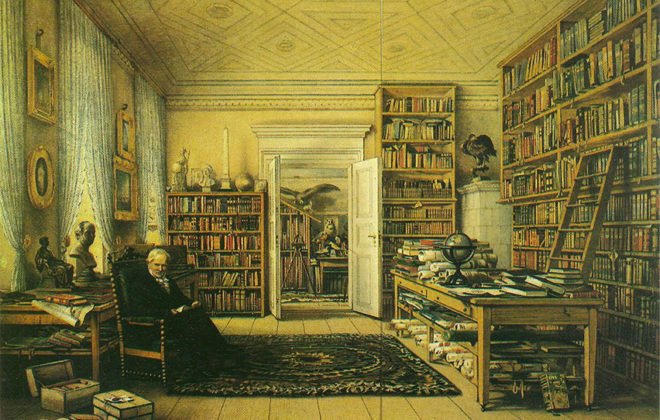
Willem Koops and I examined differential student motives among students from a social sciences bachelor’s degree at Utrecht University, and whether this difference related to participating in educational programs for broader intellectual formation (Bildung). We concluded that respondents participating in a program for broader intellectual formation or aspiring a research master’s degree program generally scored higher on Bildung and lower on vocational preparation compared to students who were not.
Career trajectories in academia and academic experiences
I carried out several projects with Hans Sonneveld, director of the Netherlands Centre of Expertise for Doctoral education, on career trajectories and experiences in academia:
From a PhD to What? The Importance of the education-employment transition: Lessons from the Netherlands
Unemployment among Doctoral Recipients
employment status of doctoral recipients
Gender Inequality in the Dutch PhD system
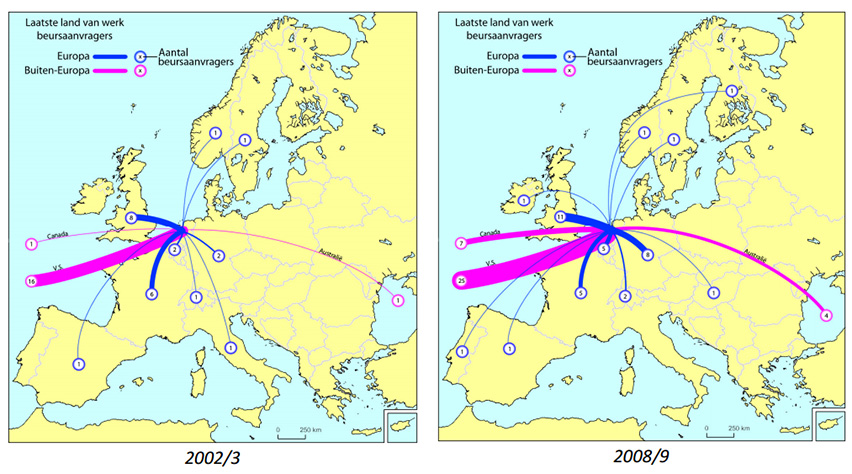
Mobility of Innovative Subsidies (commissioned by NWO): a replication study with the most recent cohort is currently being carried out;
Efficiency of social sciences subsidies (in opdracht van NWO-MagW)
Explaining PhD Delays among Doctoral Candidates
PhD monitor 2011: PhD from Utrecht University (CvB UU)
Trajectories and Labour Market Mobility (ministry OC&W)
Team members
(Inter)national collaborators
Mariëlle Zondervan-Zwijnenburg PhD Student
In her PhD project, Mariëlle focuses on including prior knowledge in statistical analyses (informative Bayesian research) and confronting prior knowledge with new data.
Read more
Elly Konijn Hans Sonneveld
$(document).ready(function(){ $(“.button-projects-all”).click(function(){ $(“.sh-group.blog-list.blog-style-largeimage”).slideToggle(“slow”); });});
Click here to hide/show all related posts

A Bildung-psychological investigation into student motives: McKinsey- or von Humboldt-oriented?
Applications, Livingroom of Science (project), Publications
0

Ph.D. Trajectories and Labour Market Mobility. A survey of recent doctoral recipients at four universities in the Netherlands
Applications, Livingroom of Science (project), Publications
0


PhD monitor 2011: PhD candidates from Utrecht University speak
Applications, Livingroom of Science (project), Publications
0


Wat zijn de regels van de wetenschap en liggen die voor altijd vast?
1st authorship papers, Livingroom of Science (project), Publications
0

The fate of PhD projects: Efficiency of social sciences subsidies
1st authorship papers, Applications, Livingroom of Science (project), Publications
0

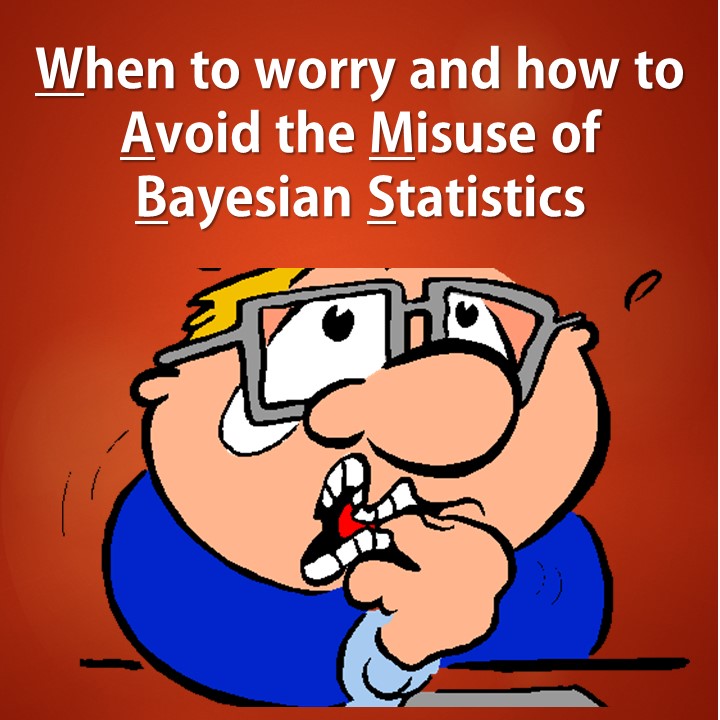
Improving Transparency and Replication in Bayesian Statistics: The WAMBS-Checklist
Livingroom of Science (project), My First Bayes, Publications, Small Samples, Tutorials
0


What Took Them So Long? Explaining PhD Delays among Doctoral Candidates
1st authorship papers, Livingroom of Science (project), My First Bayes, Publications, Special Applications
0


Possible Solution to Publication Bias Through Bayesian Statistics
Beyond Null Hypthesis Testing, Livingroom of Science (project), My First Bayes, Publications, Sonja, Tutorials
0

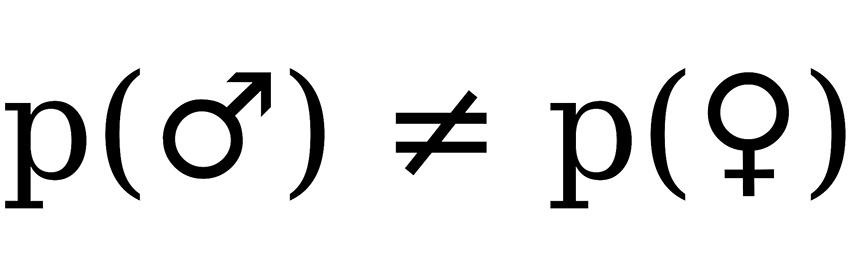
Gender Inequality in the Dutch PhD system: An exploratory study
Applications, Livingroom of Science (project), Publications
0

From a PhD to What? The Importance of the education-employment transition: Lessons from the Netherlands
Applications, Livingroom of Science (project), Publications
0


The employment status of doctoral recipients: An exploratory study in the Netherlands
1st authorship papers, Applications, Livingroom of Science (project), Publications
0

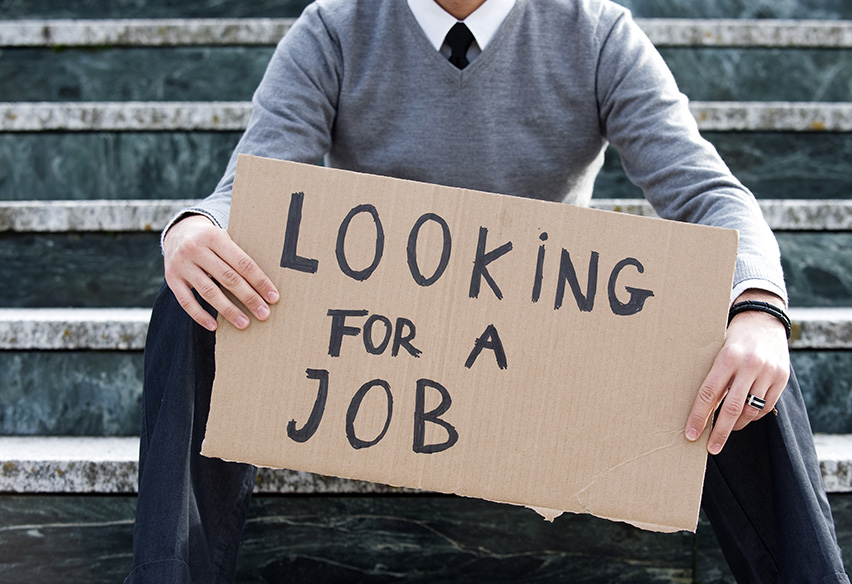
Who are the Job Seekers? Unemployment among Doctoral Recipients
Applications, Livingroom of Science (project), Publications
0

Mobiliteitsonderzoek Vernieuwingsimpuls-laureaten
1st authorship papers, Applications, Livingroom of Science (project), Publications
0